
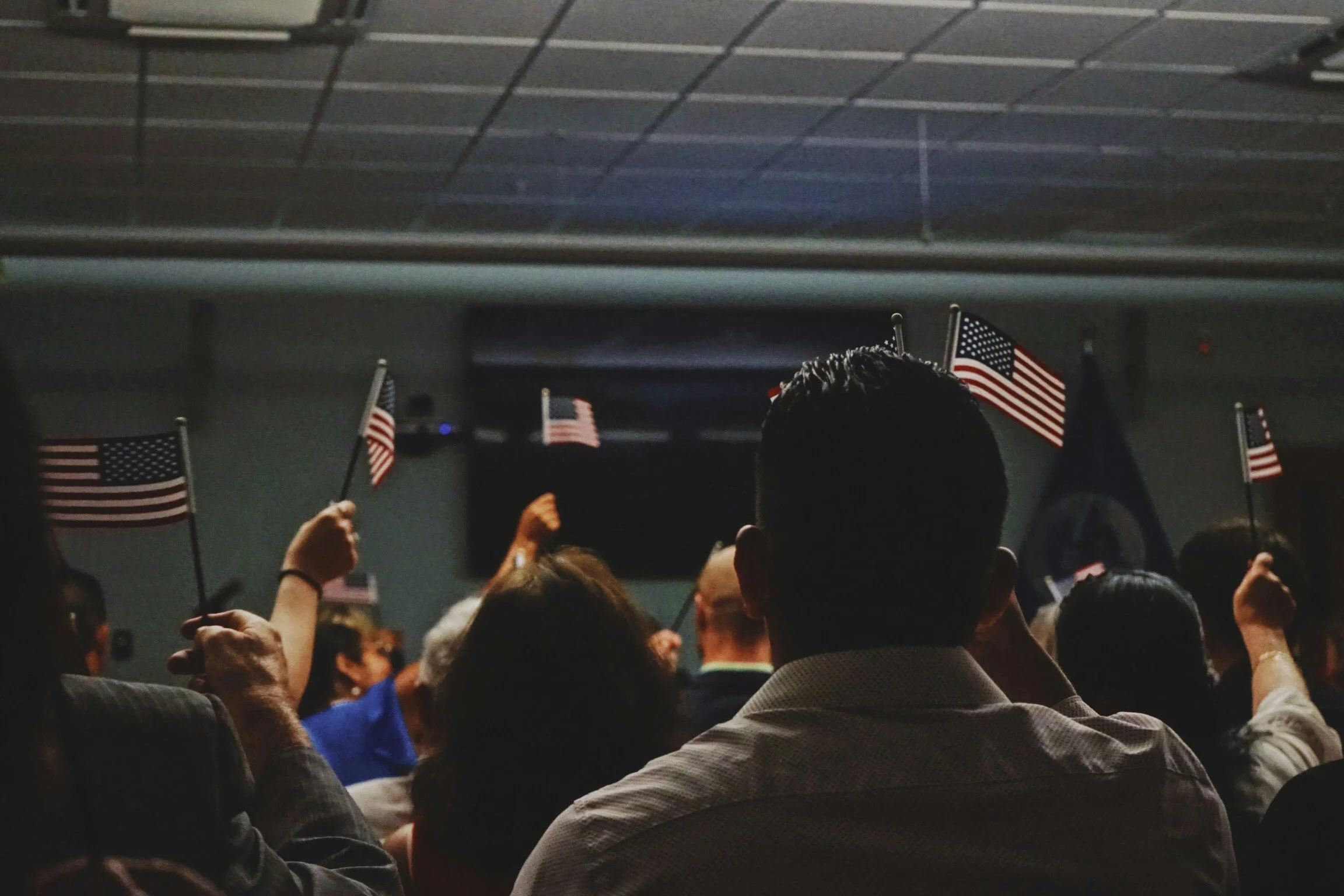
Immigration Mental Health Evaluations for West Houston & Katy, TX
Trauma-informed clinical evaluations that recognize the person behind the paperwork.
Immigration Mental Health Evaluations Coming in 2027
The Reclaimed Collective will begin offering immigration-related mental health evaluations with Annette Beltran, LCSW, in 2027.
If you are an individual navigating an immigration-related matter or an immigration attorney seeking a clinical evaluation for a client, we invite you to contact our practice for additional information.
We look forward to offering a service grounded in clinical integrity, trauma-informed care, and respect for the people and families who make Texas home.
Evaluations are conducted within the scope of clinical social work practice and Annette's education, training, and demonstrated competence. An evaluation does not guarantee a particular legal outcome. Availability, eligibility, scope, and fees will be confirmed during the consultation process.
LOGO
logo
Logo
LOGO

Texas is home to people from countless cultures, languages, and backgrounds. Behind every immigration case is a person, a family, and a story that deserves to be understood with compassion, dignity, and care.
For many individuals navigating the immigration system, the journey has involved significant trauma, uncertainty, separation, violence, or fear. The immigration process itself can create ongoing emotional distress, particularly for individuals who have already experienced trauma or are facing the possibility of family separation, detention, or return to an unsafe environment.
Beginning in 2027, Annette Beltran, LCSW, will offer specialized immigration-related mental health evaluations through The Reclaimed Collective.
As a Licensed Clinical Social Worker, Annette approaches this work through a trauma-informed, person-centered, and systems-informed lens. Her evaluations focus on understanding an individual's psychological and emotional functioning, relevant trauma history, and the impact of their experiences on daily life, relationships, and overall well-being.
Our goal is to provide thoughtful, clinically grounded documentation that helps individuals and their legal representatives better understand and communicate the psychological impact of their experiences.
What Is an Immigration Mental Health Evaluation?
An immigration mental health evaluation is a clinical assessment conducted to explore and document an individual's psychological and emotional functioning in relation to an immigration-related legal matter.
These evaluations may be requested by immigration attorneys when an individual's mental health history, trauma exposure, or psychological functioning is relevant to a legal case.
An evaluation may explore:
Relevant personal, developmental, and psychosocial history.
Experiences of trauma, violence, displacement, or separation.
Current emotional and psychological symptoms.
The impact of trauma and ongoing stress on daily functioning.
Family relationships, attachment, and relational functioning.
Relevant cultural, social, and environmental factors.
Psychological distress associated with immigration-related uncertainty or legal proceedings.
-
The evaluation process may include a clinical interview, review of relevant records with appropriate authorization, and clinically appropriate screening or assessment measures within Annette's training and scope of practice.
-
When indicated, Annette prepares a written clinical report addressing the referral questions and relevant findings.
A Clinical Social Work Approach to Immigration Evaluations
Annette's work is grounded in clinical social work practice.
Clinical social workers are trained to understand mental health within the broader context of a person's life, including relationships, family systems, social environments, cultural experiences, and the systems that influence access to safety and support.
This perspective is particularly relevant to immigration-related evaluations, where psychological distress may be connected to experiences of displacement, institutional involvement, family separation, violence, or prolonged uncertainty.
Annette's evaluation process considers both an individual's psychological symptoms and the circumstances surrounding those experiences.
Her role is to conduct an independent clinical evaluation, document relevant findings, and provide a professional report within the scope of her education, training, licensure, and demonstrated competence.
How Is This Different From an Evaluation Conducted by a Psychologist?
Immigration-related mental health evaluations may be conducted by different types of qualified mental health professionals, depending on the referral question, the professional's qualifications, and the requirements of the legal matter.
Annette is a Licensed Clinical Social Worker (LCSW). She is not a licensed psychologist.
Her evaluations are conducted within the scope of clinical social work practice and are focused on clinical interviewing, trauma-informed assessment, relevant psychological symptoms and functioning, and documentation of clinical findings.
A licensed psychologist may have additional doctoral-level education and specialized training in psychological testing and assessment. Depending on their training and specialization, psychologists may conduct comprehensive psychological or neuropsychological testing, including formal assessment of cognitive functioning, personality, learning, or other areas.
Annette's immigration evaluation services are not a substitute for comprehensive psychological or neuropsychological testing when those services are clinically indicated.
The appropriate evaluator depends on the specific referral question and the qualifications required to address it.

Immigration Assessments at The Reclaimed Collective

Annette brings a unique perspective to immigration-related mental health evaluations through her experience working with children, adolescents, families, and individuals navigating complex systems.
Her professional background includes school-based mental health, education, and correctional settings.
Through her work in educational settings, Annette has supported children and families navigating developmental challenges, educational systems, family stressors, and significant life transitions.
Her experience in correctional settings has provided additional insight into the psychological and relational impact of institutional involvement, complex life circumstances, and barriers to accessing care.
These experiences have shaped her understanding of how trauma, systemic barriers, family dynamics, and institutional involvement can influence emotional well-being.
Annette recognizes that individuals navigating immigration proceedings may have experienced multiple systems that have affected their sense of safety, stability, and belonging.
Her approach is grounded in the belief that people are more than the systems they encounter.
She brings clinical curiosity, compassion, and a commitment to understanding the broader context of each individual's experiences.